


 We are proud to be supported by a diverse group of outstanding educational leaders who deliver educational expertise, build skills, and knowledge. We draw upon this expertise to support joint professional development for colleagues from our member schools.
We complement this with external expertise to ensure that sessions are meaningful, relevant, and support a quality first approach to education. Our sessions build upon innovative and relevant local, national, and international research, ensuring that we have the latest information to help our schools meet national requirements. We deliver our sessions in a way that learners within our member schools can learn according to their learning style.
We complement our internal provision with signposting to additional professional development opportunities, including resources and webinars aimed at educational practitioners. The links below are provided for your convenience. We do not endorse the content of the linked websites, and we take no responsibility for their content. Please scroll down the page to view a range of ‘How to Guides’ and E-CPD.

Bolton Learning Partnership Youtube Channel
Visit website >
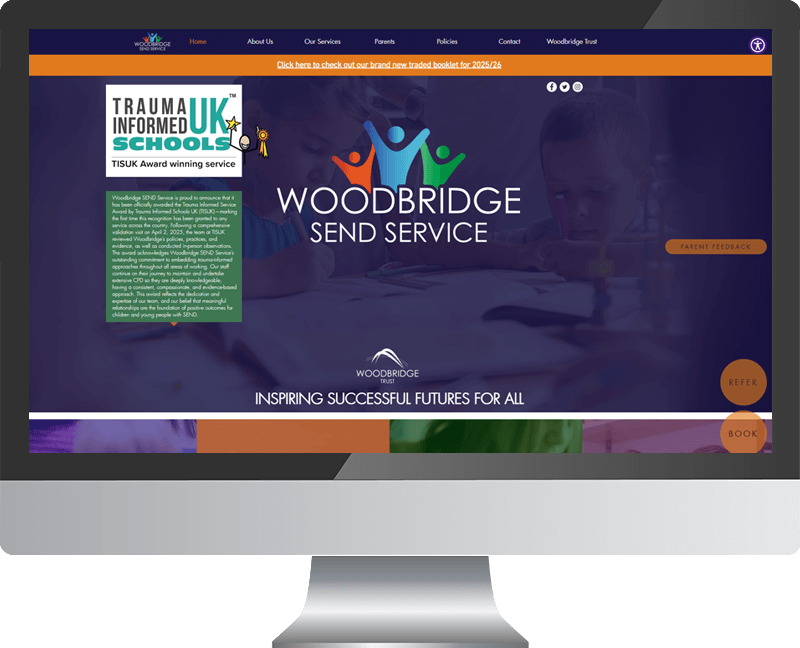
Woodbridge SEND Service
Visit website >

Train: Teach: Lead Partnership
Visit website >
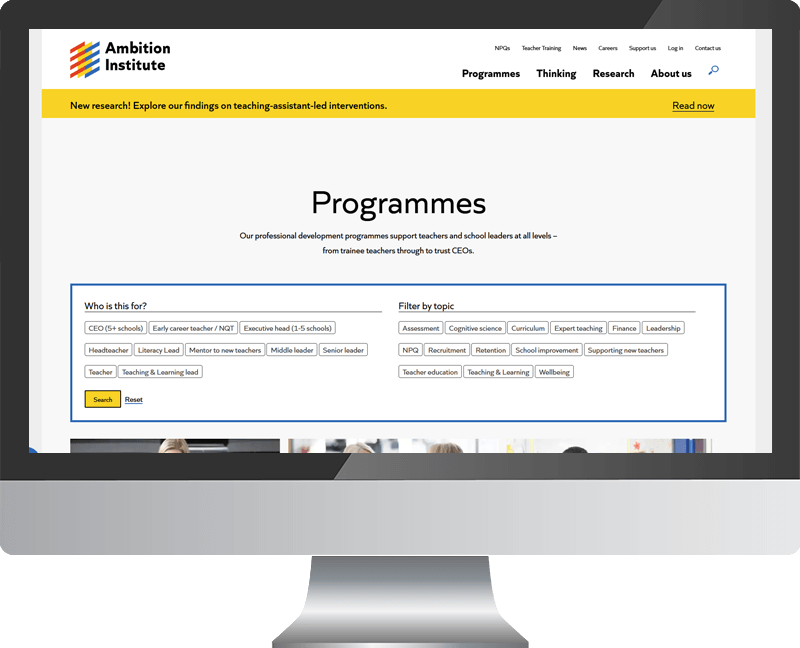
Ambition Institute
Visit website >

ASCL Programmes
Visit website >

Bright Futures Training
Visit website >
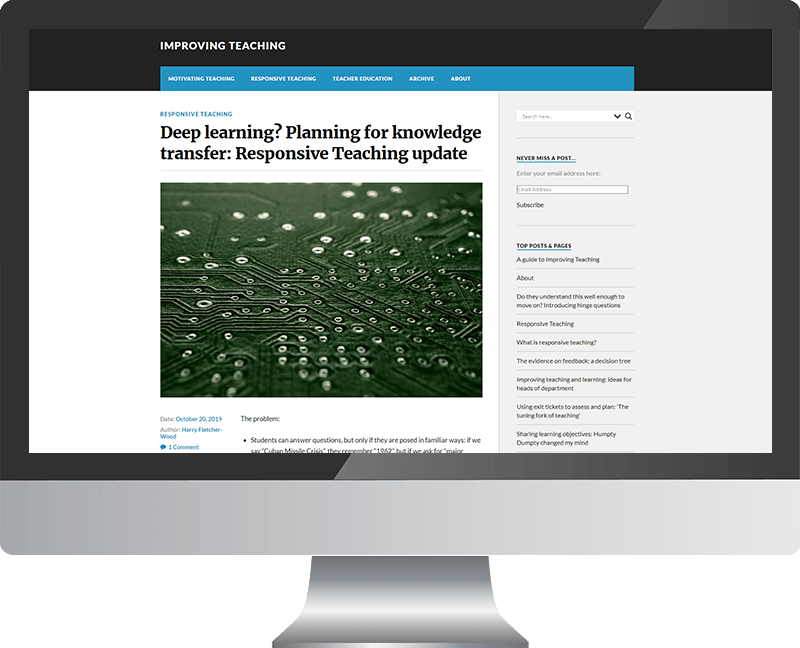
Improving Teaching
Visit website >

NAHT Professional Development
Visit website >
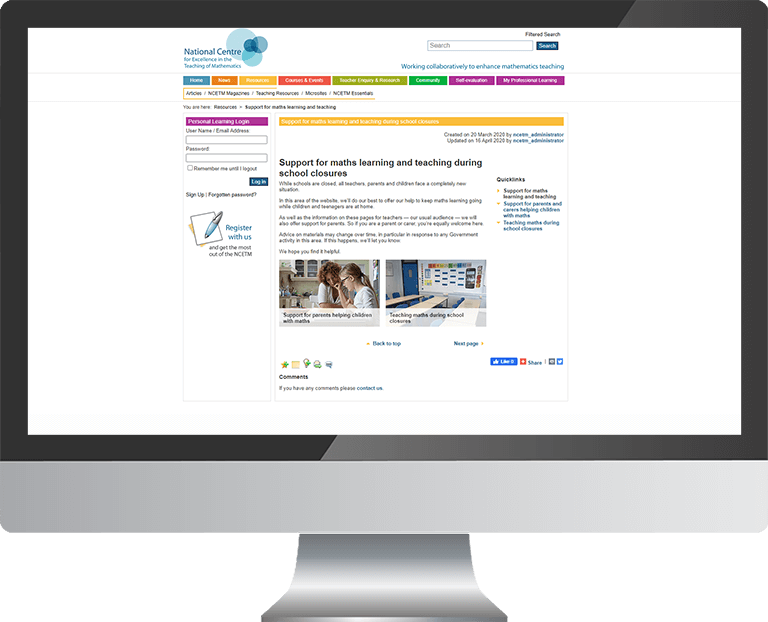
National Centre for Teaching Mathematics
Visit website >
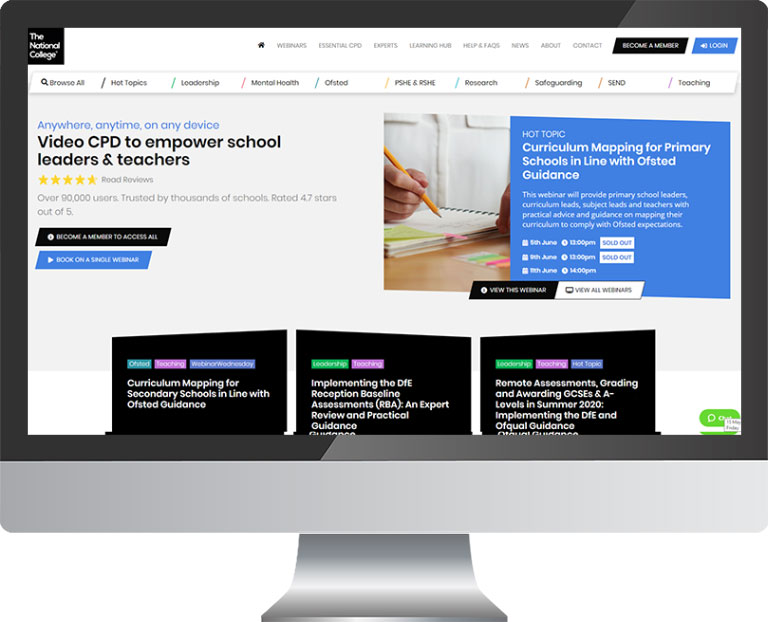
National College
Visit website >
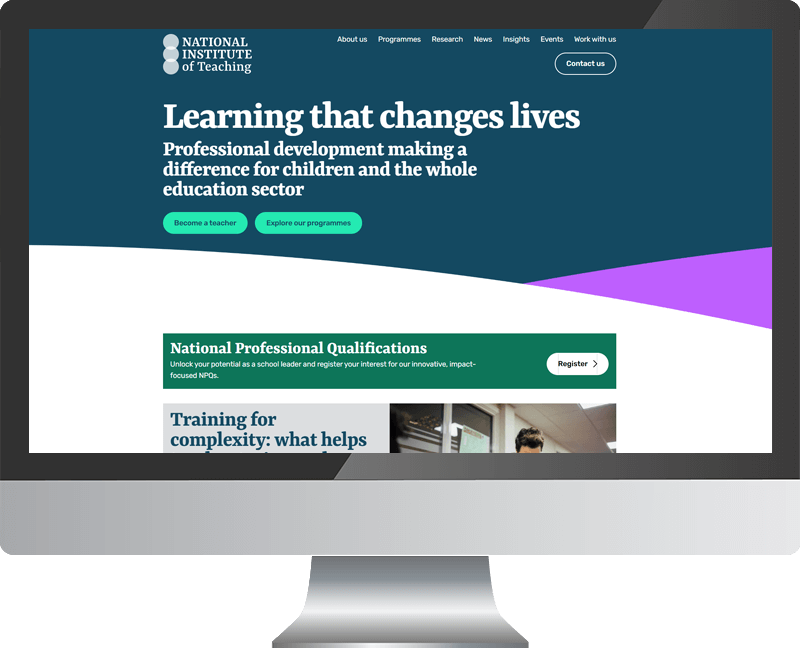
The National Institute of Teaching
Visit website >

ResearchED Home
Visit website >
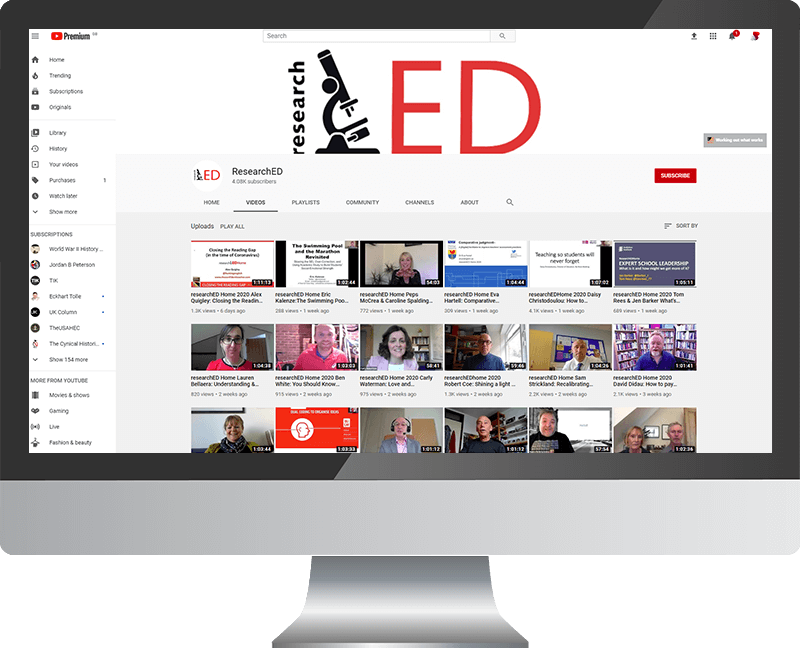
Research Ed Youtube Page
Visit website >

Star Teaching School Hub
Visit website >
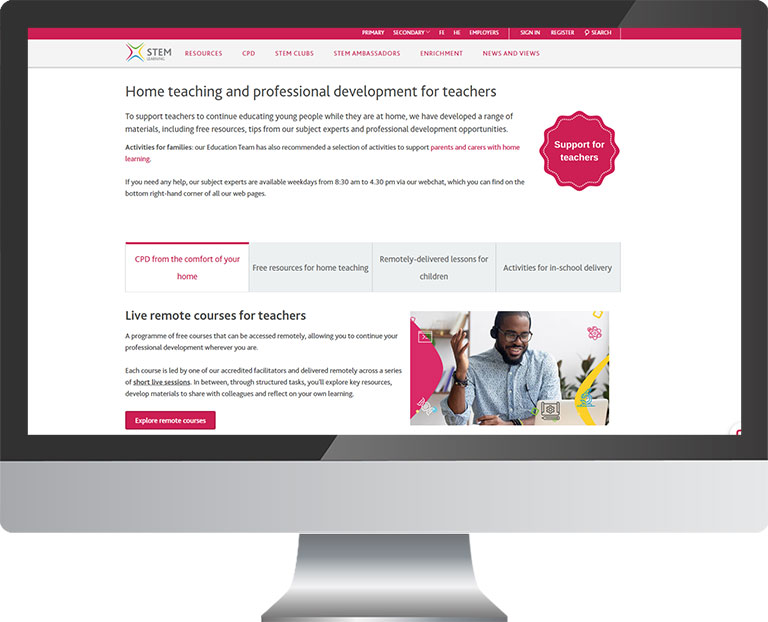
STEM CPD
Visit website >

National Centre for Computing Education
Visit website >
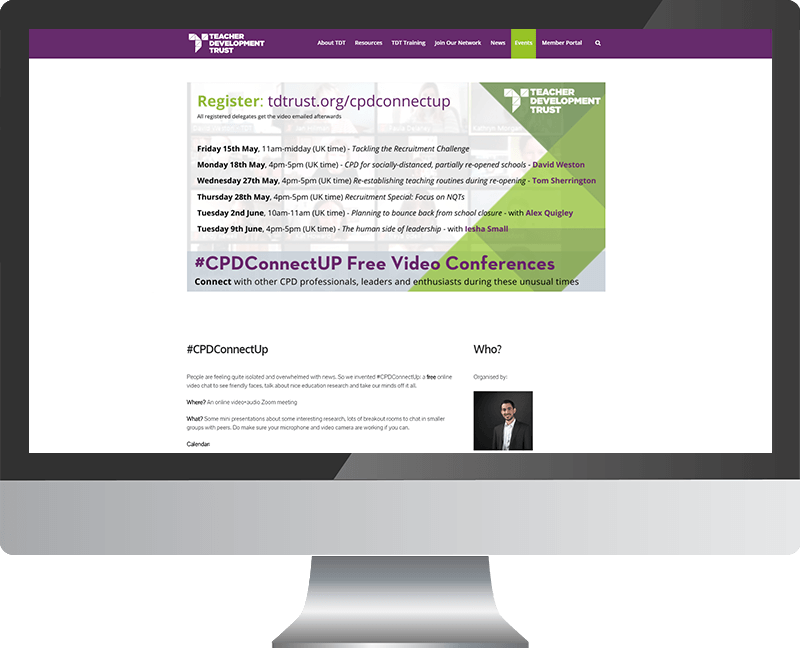
Teacher Development Trust
Visit website >
Teacherhead
Visit website >

The Rose Learning – Early Career Teachers
Visit website >


